
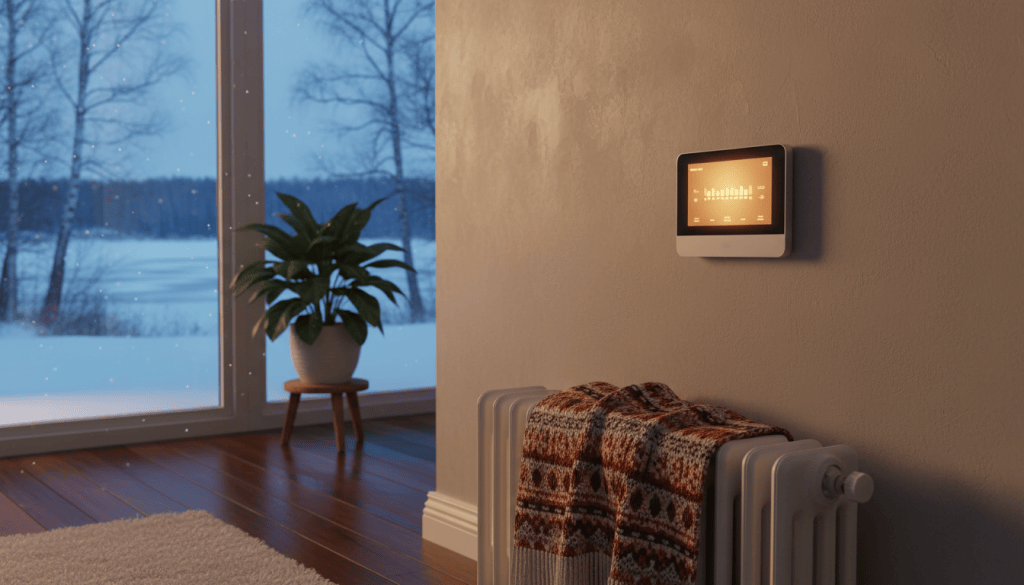
To lower a winter heating bill, focus first on thermostat scheduling, clean filters, clear vents and inexpensive air-leak fixes. The best changes depend on your heating system, home insulation and local energy rates; no single trick guarantees a particular dollar saving.
These steps draw on guidance from the U.S. Department of Energy and its heat-pump thermostat resources.
1. Use a realistic thermostat schedule
For many conventional heating systems, reducing the temperature while you are asleep or away can cut unnecessary heat demand. Start with a modest change that remains comfortable and safe for occupants, plants and plumbing. Track your actual energy use before making further changes.
Heat pump caution: large temperature setbacks can trigger inefficient auxiliary heating on some systems. Consult your thermostat and heat pump manufacturer’s recommendations rather than applying furnace-oriented advice automatically.
2. Check your heating filter
Look up the filter inspection and replacement schedule for your system. A dirty filter can restrict airflow and increase system workload. Check it monthly during heavy use and replace it when dirty or according to the manufacturer’s schedule. Use the specified size and rating; a denser filter is not automatically better for every system.
3. Keep supply and return vents clear
Move furniture, rugs and curtains away from vents and return grilles. Avoid closing many vents in a forced-air system without professional guidance, because doing so can alter airflow and system pressure. Radiators also need adequate clearance to distribute heat.
4. Seal obvious drafts safely
Weatherstripping on operable windows and doors, door sweeps and removable window film can reduce discomfort. Start by identifying the exact gap rather than sealing every opening indiscriminately. Never block required ventilation, combustion air openings or emergency exits. Our drafty window repair guide covers common fixes in more detail.
5. Use curtains and sunlight strategically
Open south-facing curtains on sunny winter days when practical, then close them after dark to reduce heat loss and drafts. Keep drapes away from heaters and avoid covering thermostats with furnishings that could distort readings.
6. Compare energy use, not just the total bill
Weather, billing period length, utility rates and fixed charges can all change the total. Compare electricity in kWh or gas consumption units against similar weather periods. If your utility offers hourly or daily usage data, look for patterns after changing your schedule.
7. Know when a professional is worth it
Call a qualified technician for repeated short cycling, unusual odors, carbon monoxide alarms, persistent cold rooms or suspected combustion problems. Never use an oven or outdoor fuel-burning equipment to heat living spaces. Homeowners planning larger upgrades can ask about an energy audit and available local incentives, but verify current eligibility before spending.
FAQ
Does a smart thermostat always save money?
No. It can automate useful schedules, but savings depend on how you previously controlled the system, occupancy and equipment compatibility.
Should I turn my heat off when I leave?
Usually not in freezing weather. Protect plumbing, pets and vulnerable occupants; choose a safe setback based on your building and equipment.
Are portable heaters cheaper?
Not necessarily. Compare the cost per unit of delivered heat, room size and efficiency. Follow fire-safety instructions and never use an extension cord unless the manufacturer explicitly permits it.
Last reviewed: November 10, 2026. This guide offers general energy-saving information rather than an estimate of individual bill savings.

